
Introduction
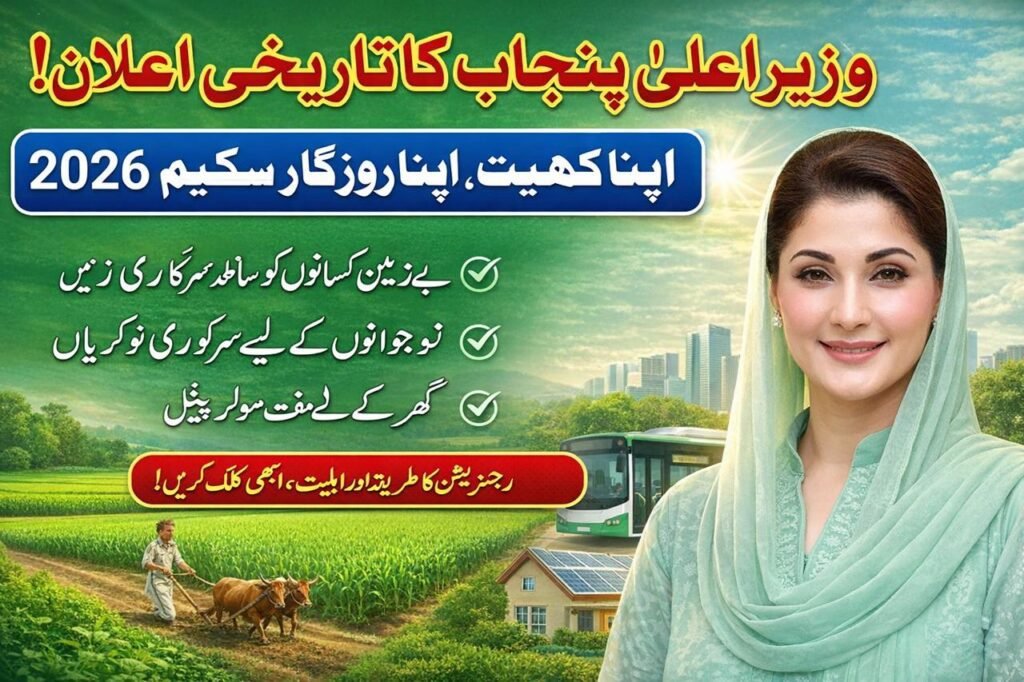
The Apna Khait Apna Rozgaar Program helps people earn money from their own land.
It supports farmers and rural youth with money, training, and guidance so they can start farming or related work.
What Is the Apna Khait Apna Rozgaar Program?
The Apna Khait Apna Rozgaar Program is a government-backed initiative that empowers individuals, especially in rural areas, by encouraging self-employment in agriculture and allied activities. The name itself paints a clear picture—your own land, your own livelihood. Instead of waiting for jobs to appear, this program motivates people to create opportunities right where they live.
At its core, the program focuses on transforming traditional farming into a sustainable income source. It supports farmers, landowners, and aspiring agripreneurs by offering financial assistance, training, and technical guidance. Think of it as turning a small patch of land into a personal startup.
Why This Program Was Introduced
Unemployment and underemployment in rural regions have long been a challenge. Many people migrate to cities in search of work, often ending up in low-paying or unstable jobs. The Apna Khait Apna Rozgaar Program was introduced to reverse this trend by making agriculture profitable, modern, and self-sustaining.
The idea is simple: when people can earn well from their own land, they don’t need to leave their villages. This not only boosts rural income but also strengthens the overall agricultural economy.
You Can Also Read: CM Punjab Complaint Cell 2026 –How to Register and Track Complaints
Vision and Objectives of the Program
Promoting Self-Employment in Rural Areas
One of the primary objectives of the program is to promote self-employment. Instead of depending on seasonal labor or external employment, participants can build their own farming-based businesses. This sense of ownership creates motivation, accountability, and long-term commitment.
What Support Is Given?
- ✔ Financial help (loan + subsidy)
- ✔ Farming training
- ✔ Support for modern tools
- ✔ Help in starting agri-business
You Can Also Read: CM Punjab Laptop Scheme Phase 2026; APPLY NOW

Strengthening the Agricultural Economy
Agriculture is the backbone of many economies. By investing in farmers and rural entrepreneurs, the program aims to increase productivity, improve crop quality, and encourage diversification into high-value activities like horticulture and dairy farming.
Main Goals
- Help people become self-employed
- Increase farmer income
- Reduce unemployment in villages
- Stop migration to cities
- Promote modern and profitable farming
Reducing Rural-to-Urban Migration
When rural areas offer stable income opportunities, migration naturally decreases. The program helps create local employment, keeping families together and reducing pressure on urban infrastructure.
Who Can Benefit from Apna Khait Apna Rozgaar Program
Who Can Apply?
- Small and marginal farmers
- Rural unemployed youth
- Women interested in farming
- Self-help group members
Eligibility Criteria Explained
The program is generally open to small and marginal farmers, landowners, unemployed youth, and individuals interested in agriculture-based self-employment. Eligibility criteria may vary slightly by region, but the focus remains on those willing to actively engage in farming or allied activities.
You Can Also Read: CM Punjab Health Initiatives: Transformative Vision 7
Program Details at a Glance
| Feature | Details |
|---|---|
| Program Name | Apna Khait Apna Rozgaar Program |
| Purpose | Self-employment through farming |
| Target Area | Rural areas |
| Beneficiaries | Farmers, youth, women |
| Support Type | Loan, subsidy, training |
| Activities | Farming, dairy, horticulture |
| Income Type | Regular & long-term |
Target Beneficiaries
The key beneficiaries include rural youth, women entrepreneurs, small farmers, and members of self-help groups. Special emphasis is often placed on economically weaker sections to ensure inclusive growth.
Key Features of Apna Khait Apna Rozgaar Program
Financial Assistance and Subsidies
Financial support is one of the strongest pillars of the program. Beneficiaries can access subsidized loans, grants, or cost-sharing models that reduce the initial investment burden. This makes it easier to adopt better inputs and technologies.
Training and Skill Development
The program doesn’t just provide money—it builds skills. Participants receive training in modern farming techniques, business management, and market understanding, helping them think like entrepreneurs rather than just cultivators.
Support for Modern Farming Techniques
From drip irrigation to organic farming and greenhouse cultivation, the program encourages the use of modern, efficient, and sustainable practices.
Types of Activities Supported Under the Program
Crop Cultivation
Traditional and high-yield crop cultivation forms the foundation of the program. Farmers are guided to choose crops based on soil health, climate, and market demand.
Horticulture and Floriculture
High-value crops such as fruits, vegetables, and flowers are strongly promoted. These activities often generate higher returns compared to traditional cereals.
Dairy and Animal Husbandry
Livestock-based activities like dairy farming, poultry, and goat rearing provide regular income and reduce dependence on seasonal crops.
Allied Agricultural Activities
Beekeeping, fisheries, mushroom farming, and food processing are also supported, opening multiple income streams.
You Can Also Read: BISP 8171 Wallet Account Registration 2026: Complete Guide for Beneficiaries
Funding Structure and Financial Support
Loan and Subsidy Model
The program typically follows a mixed funding model, combining beneficiary contribution, bank loans, and government subsidies. This shared responsibility ensures commitment while reducing financial risk.
Role of Banks and Financial Institutions
Banks play a crucial role in evaluating projects, disbursing loans, and monitoring progress. Their involvement adds financial discipline and transparency.
Application Process Step by Step
How to Apply for the Program
Applicants can apply through designated government offices, agriculture departments, or online portals where available. The process usually begins with submitting a simple project proposal.
Required Documents
Common documents include identity proof, land records, bank details, and a basic project plan outlining the proposed activity.
Approval and Disbursement Process
Once approved, funds are released in phases, linked to project milestones. This ensures proper utilization and timely completion.
Role of Government and Implementing Agencies
Government Departments Involved
Agriculture, rural development, and financial departments work together to implement the program effectively.
Monitoring and Evaluation Mechanism
Regular monitoring helps identify challenges early and ensures that benefits reach the intended recipients.
Impact of Apna Khait Apna Rozgaar Program
Employment Generation in Rural Areas
The program has created thousands of self-employment opportunities, directly and indirectly, across rural regions.
Improvement in Farmers’ Income
By diversifying activities and adopting better practices, farmers experience a noticeable rise in income.
Social and Economic Benefits
Improved livelihoods lead to better education, healthcare, and overall quality of life in rural communities.
Challenges Faced by the Program
Awareness and Accessibility Issues
Limited awareness and complex procedures can sometimes hinder participation, especially in remote areas.
Financial and Technical Constraints
Access to timely credit and technical expertise remains a challenge for some beneficiaries.
Success Stories and Real-Life Examples
Farmers Turned Entrepreneurs
Many farmers have successfully transformed small farms into profitable agribusinesses through this program.
Women Empowerment Through Farming
Women-led farming initiatives under the program have boosted household incomes and social status.
Comparison with Other Rural Employment Schemes
How It Is Different from Traditional Schemes
Unlike wage-based schemes, this program focuses on ownership, entrepreneurship, and long-term income.
Long-Term Sustainability Aspect
The emphasis on skills and assets ensures lasting benefits rather than short-term relief.
Future Scope of Apna Khait Apna Rozgaar Program
Expansion Opportunities
There is immense potential to expand the program to include agri-tech startups and value-added processing.
Integration with Digital Agriculture
Digital tools like mobile apps, online markets, and data-driven farming can further enhance outcomes.
How to Maximize Benefits from the Program
Best Practices for Participants
Proper planning, continuous learning, and networking with other farmers can significantly boost success.
Importance of Planning and Market Linkage
Understanding market demand and building strong supply chains is key to sustainable income.
Conclusion
The Apna Khait Apna Rozgaar Program is more than just a government scheme—it’s a mindset shift. By encouraging people to see agriculture as a business, it unlocks the true potential of rural areas. With the right support, planning, and determination, this program can turn small farms into engines of growth and self-reliance.
Frequently Asked Questions (FAQs)
1. How much land can a farmer own in Punjab?
3 to 5 acres of state-owned land to landless or small-scale farmers.
2. Does the program provide full financial support?
The program usually offers partial subsidies along with loans, encouraging shared responsibility.
3. Can women apply for this program?
Yes, women are strongly encouraged to participate, often with additional support.
4. Are training programs mandatory?
Training is highly recommended as it improves success rates and sustainability.
5. How long does it take to receive benefits after applying?
The timeline varies, but benefits are generally released after project approval.
- Epstein Files – A Deep Dive Into the Documents That Shook the World
- Apna Khait Apna Rozgaar Program For Farmers – Registration Online & Complete Guide 2026
- BISP Monthly Stipend Schedule – Complete Payment Timeline and Details
- BISP Eligibility Criteria Pakistan – Complete and Updated Guide
- CM Punjab Health Initiatives: Transformative Vision 7