

What Are the Epstein Files?
The term “Epstein files” refers to a collection of court documents, testimonies, depositions, and related records connected to Jeffrey Epstein and his long-running legal controversies. These files gained massive attention when courts ordered portions of them to be unsealed, allowing the public to finally peek behind a curtain that had been tightly drawn for years.
Think of the Epstein files like a locked attic in an old mansion—rumored, whispered about, and speculated on endlessly. When the door finally opened, people rushed in, eager to see what had been hidden.
Why the World Is So Obsessed With Them
The fascination isn’t just about Epstein himself. It’s about power, secrecy, wealth, and the idea that influential people might operate under different rules. The files symbolize a larger question: Is justice truly blind, or does it sometimes look the other way?
Who Was Jeffrey Epstein?
Early Life and Career
Jeffrey Epstein started far from the spotlight. Born in 1953, he worked as a teacher before moving into finance. His early career didn’t hint at the global notoriety his name would later carry.
Rise to Wealth and Influence
Epstein’s financial success remains partly mysterious. He presented himself as a well-connected financier, managing wealth for powerful clients. That aura of exclusivity became his calling card.
Epstein’s Social Circles and Connections
Epstein moved in elite circles—politicians, business leaders, academics, and celebrities. It’s crucial to understand that appearing in someone’s social orbit does not automatically imply wrongdoing. Context matters, and the files themselves reflect that complexity.

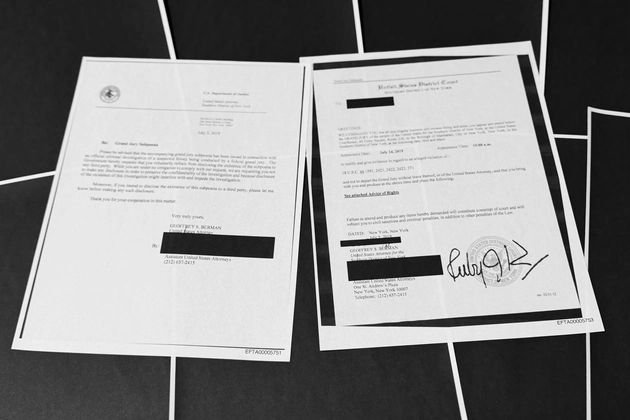


The Origin of the Epstein Files
Court Cases and Legal Proceedings
The Epstein files stem largely from civil litigation, including lawsuits brought by victims and related legal actions. During these proceedings, extensive documentation was collected.
Sealed Documents and Confidential Records
Many documents were sealed to protect victim identities and ensure fair legal processes. This confidentiality, while necessary, also fueled speculation.
Why Many Files Remained Hidden for Years
Courts often balance transparency with privacy. In this case, that balance leaned heavily toward protection—until judges later ruled that public interest justified unsealing portions.
The Unsealing of the Epstein Files
Timeline of the Release
The unsealing didn’t happen overnight. It unfolded in stages, following court orders and legal reviews.
Court Decisions That Changed Everything
Judges determined that certain records no longer needed protection, especially when names had already circulated publicly.
Public Access vs. Privacy Concerns
This raised a tough question: how much should the public know, and at what cost to individuals named but not charged?
Well-Known Names That Appear in Epstein-Related Documents
(Based on publicly reported, unsealed court records and media reporting)
Convicted / Legally Proven
- Jeffrey Epstein – Convicted sex offender
- Ghislaine Maxwell – Convicted for sex trafficking-related crimes
YOU ALSO READ THIS : Who Peoples Involved In This Matter
High-Profile Figures Mentioned (Not Convicted)
These individuals deny wrongdoing and have not been convicted:
- Prince Andrew – Settled a civil lawsuit (no admission of guilt)
- Bill Clinton – Named in flight logs; denies any misconduct
- Donald Trump – Socially connected in the past; denies wrongdoing
- Alan Dershowitz – Named in testimony; strongly denies allegations
- Bill Gates – Met Epstein after conviction; says it was a mistake
- Les Wexner – Business associate; denies knowledge of crimes
- Ehud Barak – Former Israeli PM; acknowledged contact, denies abuse
- Jean-Luc Brunel – Accused; later died (no conviction)
- Glenn Dubin – Named in testimony; denies allegations
- George Mitchell – Denies all accusations
- Marvin Minsky – Named in testimony (deceased)
Why These Names Appear
Names appear due to:
- Flight logs
- Phone contact lists
- Depositions
- Victim testimony
- Social or business meetings
Courts did not rule most of these people guilty.
What the Epstein Files Do NOT Show
- They do not prove a global conspiracy
- They do not confirm crimes by everyone named
- They are not verdicts, only documents
What Do the Epstein Files Contain?
Testimonies and Depositions
Sworn statements form the backbone of the files. These are accounts, not verdicts.
Emails, Flight Logs, and Contacts
Documents like flight logs show associations, not crimes. It’s like seeing names in a phone book—connection doesn’t equal guilt.
Distinguishing Allegations From Proven Facts
This distinction is critical. Allegations are claims; convictions are legal conclusions. The files contain far more of the former than the latter.
High-Profile Names and Public Reaction
Why Famous Names Appear in the Files
High-profile individuals often appear because of proximity, not proof. Epstein socialized widely.
Media Coverage and Public Interpretation
Media outlets amplified interest, sometimes without sufficient nuance.
The Danger of Assumptions
Assuming guilt based on mention alone can cause irreversible harm.
Epstein Files and the Legal System
How Courts Handle Sensitive Information
Courts must protect rights on all sides—victims, witnesses, and the accused.
Defamation, Due Process, and Fair Trials
Public disclosure does not override the presumption of innocence.
Legal Limits of Public Disclosure
Not everything belongs in the public domain, even in high-profile cases.
The Role of the Media
Investigative Journalism and Accountability
Responsible journalism brought many truths to light.
Sensationalism vs. Responsible Reporting
Clicks can’t come at the cost of accuracy.
How Headlines Shape Public Opinion
A headline can become a verdict in the court of public opinion.
Impact on Victims and Survivors
Voices That Were Ignored for Years
For many survivors, the files represent long-overdue acknowledgment.
Emotional and Psychological Consequences
Reliving trauma through public scrutiny is deeply painful.
Why Trauma-Informed Reporting Matters
Compassion should guide coverage, not curiosity alone.
Epstein Files and Public Trust
Institutions Under Scrutiny
Law enforcement, courts, and financial systems faced tough questions.
Power, Money, and Accountability
The case highlighted how influence can complicate justice.
Has Trust Been Permanently Damaged?
Trust can be rebuilt, but only through transparency and reform.
Global Implications of the Epstein Files
International Attention and Legal Interest
Epstein’s activities crossed borders, drawing global focus.
Cross-Border Investigations
Different legal systems complicate accountability.
Why This Case Resonates Worldwide
Abuse of power is a universal concern.
Myths, Misinformation, and Conspiracy Theories
Separating Facts From Fiction
Not every viral claim is credible.
Social Media’s Role in Spreading Rumors
Speed often beats accuracy online.
How to Evaluate Credible Sources
Primary documents and verified reporting matter most.
What the Epstein Files Do NOT Prove
Allegations vs. Convictions
Names in documents are not legal judgments.
The Importance of Legal Standards
Evidence must meet strict thresholds.
Why Context Is Everything
Without context, documents can mislead.
Ongoing Developments and Future Releases
Are More Files Expected?
Additional disclosures remain possible.
Potential Legal and Social Outcomes
The ripple effects continue.
What to Watch Moving Forward
Court rulings and reforms deserve attention.
Lessons Learned From the Epstein Files
Power Imbalances and Exploitation
Unchecked power creates opportunity for abuse.
Transparency in the Justice System
Sunlight can deter misconduct.
Protecting the Vulnerable
Systems must prioritize those at risk.
Conclusion
The Epstein files are not a neat story with a clean ending. They are messy, uncomfortable, and deeply human. They expose failures, raise hard questions, and remind us that justice is not just about laws—it’s about courage, accountability, and compassion. Reading them responsibly means resisting assumptions and demanding better systems, not just better headlines.
FAQs
1. Are the Epstein files proof of criminal activity by everyone named?
No. The files contain allegations and references, not convictions.
2. Why were the Epstein files sealed for so long?
To protect victims, witnesses, and legal integrity.
3. Can new names still be released?
Yes, depending on future court rulings.
4. Should the public read the Epstein files directly?
Only with context and critical thinking.
5. What is the biggest takeaway from the Epstein files?
Power without accountability can enable harm.